Plastic science - PTFE mold molding
PTFE mold forming method
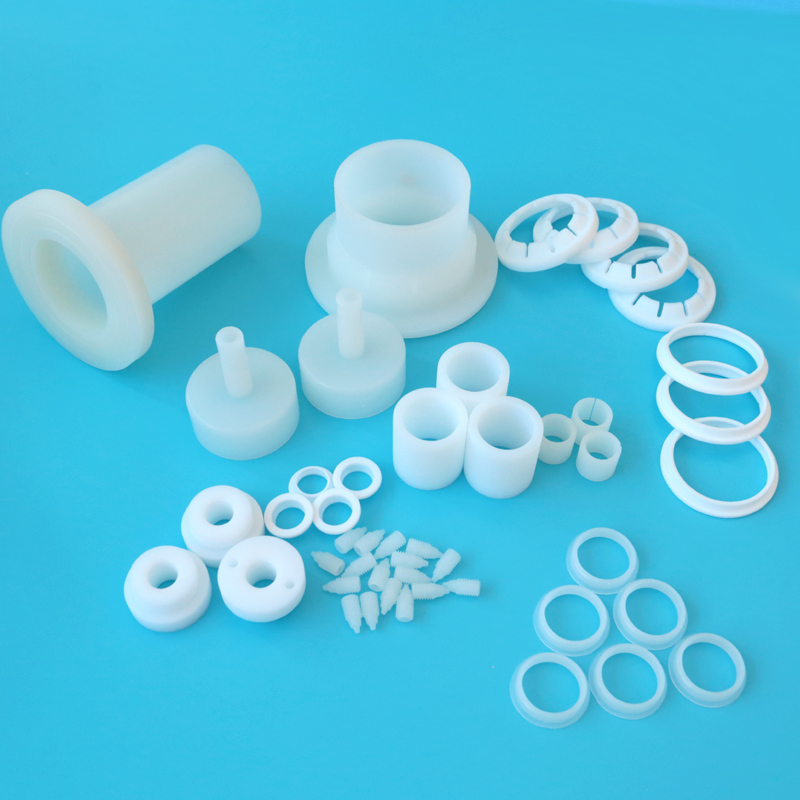
PTFE mold mainly adopts forming, hydraulic, pushing, extrusion, spraying, bonding, welding and winding molding technology. The first five are mainly processed directly by polytetrafluoroethylene resin, and the last three are polytetrafluoroethylene plastic sheets or thin strips, in addition, there are rolling methods, thermal forming methods and other molding methods.
1, molding method
Suspended resin is used for most molding. When making thin sheets with a thickness of less than 1.5mm, dispersion resins are used. Its process: Resin - sifting (suspended resin is mashed, loosened, and sifted through a 20-mesh sieve) - press (PTFE powder loaded into the mold under 20-235Mpa pressure, Compaction molding by press) -sintering (sintering in the sintering furnace at 370℃-380℃ temperature) -molded finished products (in the mold or free state after cooling and shaping into the required plate, rod, tube, washer and packing products, etc.).
2. Hydraulic method
Hydraulic method, also known as the isobaric method or rubber bag method, is a special method for making PTFE product molds, which is to apply hydraulic pressure to the rubber bag so that the rubber bag will expand the PTFE resin to the mold, so that it is compacting and fired into products. The basic operation process is as follows: put the rubber bag in the outer mold - connect the pump, fill the tap water to make the rubber bag into a cylindrical shape - evenly add the resin between the bag and the outer mold - close the mold - continue to fill the water and gradually increase the water pressure, hold the pressure for 12-13Mpa for 30min, and then release the water - decompress, remove the mold, sintering, and cooling, which is the preproduct with a smooth appearance.
3, push method
Pushing is also called paste extrusion. Extrusion molding with plunger, after drying, sintering at 360-380℃ temperature, after cooling to obtain strong extrusion tube, rod and other products.
4. Extrusion method
Extrusion molding can be divided into two kinds of screw extrusion and plunger extrusion, the pre-sintered resin after grinding and screening is added to the barrel, through the rotation of the screw or the reciprocating push of the plunger. The raw material side compaction is transported to the extruder, and various pipe and rod products are continuously extruded, sintered and cooled at 360-400℃.
5, spraying method
There are two kinds of spraying methods: PTFE emulsion coating and PTFE resin powder plasma coating.
Guangzhou OTEM Engineering Plastics Co., Ltd. has more than 20 years of manufacturing experience in PTFE mold processing, with professional equipment and production technology, it is worth your choice.
PTFE mold processing requirements
1, mold material requirements
PTFE is a kind of special material with high temperature, high density and corrosion resistance, and the material requirements of PTFE injection mold are very high. Commonly used mold materials include stainless steel, copper and aluminum, among which stainless steel is the best quality mold material, which can meet the requirements of high temperature and pressure and corrosion resistance. The hardness and strength of the mold material also need to meet the requirements to ensure the life and stability of the mold.
2, mold design requirements
The design of PTFE injection mold should take into account factors such as product shape, size and process requirements, and should also be reasonably designed according to the characteristics of the mold material. When designing the mold, it is necessary to ensure that the internal structure of the mold is clear and the surface is smooth, and to avoid the problem that the surface of the product is not smooth due to the internal unevenness. The mold orientation and clamping mode also need to take into account the special properties of polytetrafluoroethylene to ensure the accuracy and stability of the mold during use.
3, mold processing requirements
The processing of PTFE injection molds needs to ensure accuracy and surface quality to ensure the stability of the size and surface quality of the injection molded products. In the processing process, it is necessary to use advanced processing equipment and high-quality processing tools, and strictly control the temperature and processing speed during processing, to avoid mold deformation or damage caused by improper processing temperature.
4, mold use requirements
PTFE injection molds need to be regularly maintained and cleaned during use, and kept dry and ventilated to avoid oxidation reactions caused by mold contact with moisture. It should be noted that do not replace the heating element or imported parts in the mold at will, so as not to affect the use of the mold due to the mismatch of the parts.
PTFE mold in the processing precautions
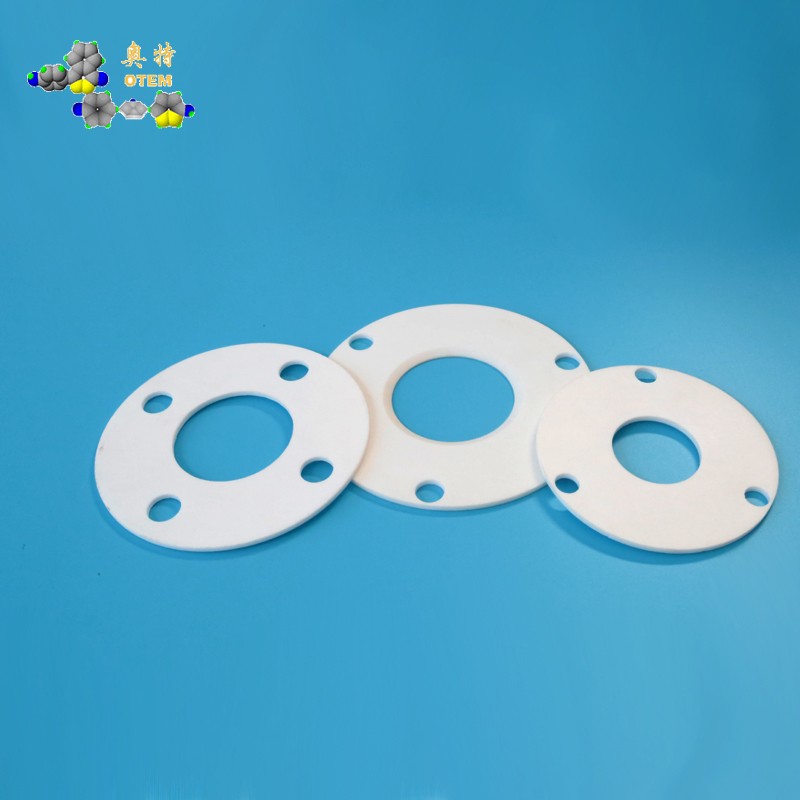
1. Temperature control
PTFE processing needs to be carried out in a high temperature environment, but too high a temperature will lead to sintering or decomposition of the material, affecting the processing quality. Therefore, the temperature needs to be strictly controlled in the processing process, and different processing temperatures and times need to be determined for different processing methods and material shapes.
2. Pressure control
PTFE processing needs to be carried out under high pressure, but too high pressure can cause the material to deform or crack. Therefore, the pressure needs to be strictly controlled in the processing process, and different processing pressures and times need to be determined for different processing methods and material shapes.
3, the choice of lubricant
PTFE is very non-viscous, so lubricants need to be used during processing to reduce friction and improve processing efficiency.
However, improper lubricants can affect the performance of PTFE, so you need to choose the right lubricant.
4, the choice of processing technology
The processing of PTFE requires different processing processes to be selected according to different shapes and sizes. For complex shapes, it is necessary to use multiple processes to ensure processing quality and efficiency.
About Us Product Infor Application Service Human Resources Contact us
———— ———— ———— ———— ———— ———— ————
Company Profile Hign-Perfomance E?egineering? news Industry Application Technical Q&A Humanistic care Contact information
C?ompany culture E?egineering Plastic Applications Humanities Policy Online message
Enterprise Honor Fluoroplastic Job Recruitment