Plastic mold Science spectrum - blister mold
Types of blister molds
1, blister aluminum template
Blister aluminum mold is made of aluminum raw materials, aluminum profiles have the advantages of fast heat removal, good compressive strength, temperature control, etc. At the same time, because it can be selected CNC reprocessing, so the production and processing formability is strong, the production cycle time is short, the finished product can obtain the ideal surface smoothness of good mold actual effect, so that the blister aluminum template becomes very common. Application field is more extensive production of high quality blister new product mold.
2. Blister copper mold
Blister copper die, also known as electroplated copper die, is a mold made of copper raw materials by electroplating process, with moderate cost and higher durability, but because it must first design a sample plate with plaster mold in the production process, and then use the sample plate to electroplate copper, the internal structure and then add gypsum of Paris, so its production time is longer, its main use is very wide. Generally seen in electronic devices, small toys, stationery supplies, 3, plaster of Paris mold
The raw material of this mold is putty powder, which is very easy to make and adjust, the manufacturing cycle time is short, and the cost is low, so the gypsum mold is generally used for sample manual manufacturing.
4. Blister wood template
The production process of blister wood mold is hard wood, which has convenient production and manufacturing, mainly used for new product development or small batch production.
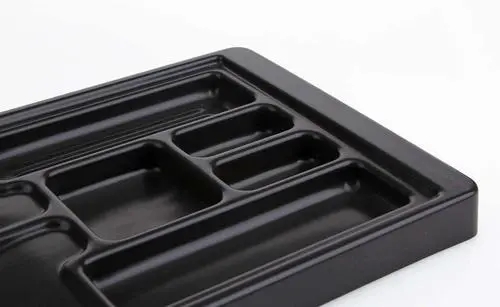
Blister processing advantages
1, corrosion resistance is not easy to aging
2, light weight, small size
3. Low noise
4, the structure is strong and wrinkle-free
5, good insulation
6, appearance according to special treatment beautiful and generous
7, the surface of the paint adsorption effect is strong, not color, do not fade
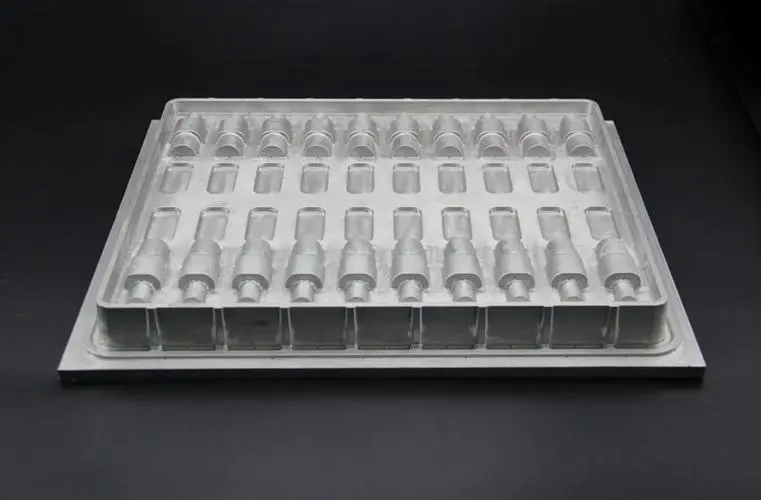
Blister processing production process
1, mold manufacturing and production processing
According to the requirements or sample specifications and models, first make the blister production and processing mold, first make it natural air dry thoroughly or dry treatment, and then according to the details of the deep concave surface, use 1-2mm drilling flowers to drill many small round holes in the low dip without changing the packaging design pattern, after the mold drilling holes, but also the plaster of plaster mold to carry out hardening solution. The hardening treatment method should be soaked with concentrated bright saturated state liquid after drying.
2. After the mold is completely solved, the mold is put into the stainless steel plate on the top layer of the vacuum system, and then the plastic board is loaded into the usable shape size according to the mold size, and then the plastic board is put into the heated solid wood cabinet, so that it is fixed, and then the solid wood cabinet is connected to the plastic sheet in the constant temperature furnace for softening treatment.
3, the softened plastic board with a solid wood cabinet, placed in the vacuum system, start the breathing power switch, vacuum pump indoor air quality suction clean, after the plastic board is cold, that is, to obtain the same concave packaging or processing mold with the mold.
4, blister production and processing of outer packaging carding
The produced equipment is pressed and carded, which is a finished product, and then it can be sold after outer packaging.
Guangzhou OTEM Engineering Plastics Co., Ltd. has more than 20 years of experience in engineering plastic mold processing, blister mold processing, injection molding mold production and processing, and also has technical professional machine and design department to serve you and bring you satisfactory products, which is very, very worthy of your trust and choice.
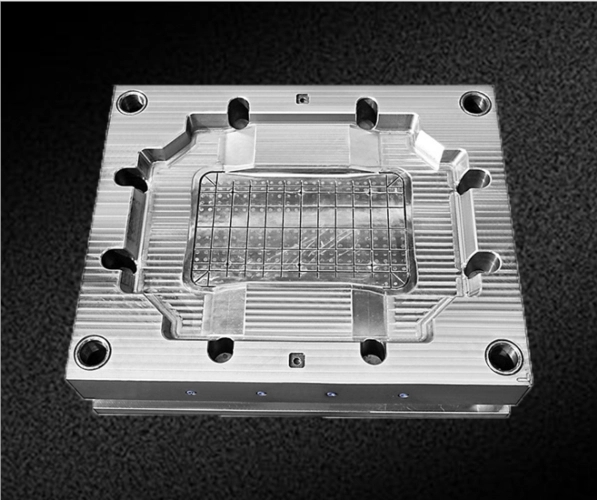
The most basic process of blister mold design scheme
1. Specify the total number of dies
Mold designers should be strictly based on the injection machine equipment specifications and models, blister product size accurate requirements and rationality of all aspects of the plan, parting surface selection process is an important part of determining the rational layout of the mold, plastic parts of the use of demand, forming requirements and parting surface clear basic principles are the key basis for planning parting surface. The style of the parting surface design scheme must be as simple as possible, and at the same time, it should also take into account the position of the glue inlet and its style, and it should be placed in the part without a concave groove.
2. Specify the poured software
In the system, the inlet and the flow path are the focus of the plan. When confirming the inlet and the flow path, the feasibility of the plan has a key harm to the quality and manufacturing of blister products.
3. Define the form of the mold
First of all, it must be clear that the blister product is still in the front mold when the mold is still in the back mold. The choice of which method to use should be determined according to many factors such as the style of the blister product, the material and the imprint left by the pushing device. Under normal circumstances, the most frequently used is the application of pendulum rod, in the plastic products have relatively high punch, you need to use the push tube release. If you want to use all the blister products near the release, it is necessary to use the push board to launch.
4. Clear temperature control method
The purpose of temperature control execution is to continuously improve the forming function and avoid deformation of the bottom end and reduce the forming cycle time.
About Us Product Infor Application Service Human Resources Contact us
———— ———— ———— ———— ———— ———— ————
Company Profile Hign-Perfomance E?egineering? news Industry Application Technical Q&A Humanistic care Contact information
C?ompany culture E?egineering Plastic Applications Humanities Policy Online message
Enterprise Honor Fluoroplastic Job Recruitment