All that special engineering plastic stuff
Classification of special engineering plastics
1. Polyphenylene sulfide (PPS)
With excellent heat resistance, chemical corrosion resistance and electrical insulation properties, widely used in automotive parts, electronic and electrical fields and chemical equipment.
2. Polyimide (PI)
With excellent high temperature stability, chemical resistance and mechanical strength, it is widely used in high temperature parts in aerospace, electronic appliances and automotive industries.
3. Polyether ether ketone (PEEK)
It has excellent high temperature stability, chemical corrosion resistance and mechanical properties, and is widely used in aerospace, medical equipment and petrochemical industries.
4. Liquid Crystal Polymer (LCP)
With excellent dimensional stability, low friction and high frequency characteristics, it is often used in the manufacture of electronic packaging materials and micro-components.
5. Polysulfone (PSF)
With excellent temperature resistance, corrosion resistance and electrical insulation properties, it is widely used in chemical equipment, electronic components and medical equipment and other fields.
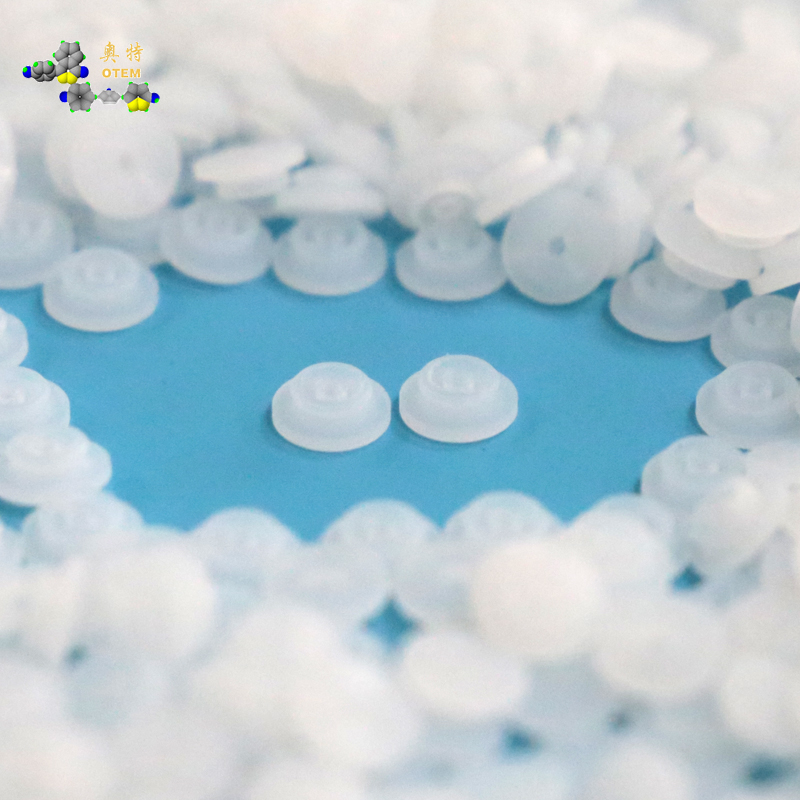
Performance characteristics of special engineering plastics
1, high wear resistance
Special engineering plastic materials have high wear resistance, can be used in high-speed movement, high pressure, high friction and other harsh conditions, is not easy to wear, maintain long-term performance stability.
2, high temperature stability
It has excellent high temperature stability, can be used in high temperature environment, is not easy to deformation, aging, cracking, etc., and maintains good physical properties.
3. High strength
Special engineering plastic materials have high strength, can withstand large tensile and compressive forces, strong impact resistance, and are not easy to break.
4. Corrosion resistance
Special engineering plastic materials have good chemical corrosion resistance, can be used in acid, alkali, salt and other corrosive media for a long time, will not deteriorate, rot, deformation, etc., to maintain high performance.
5, flame retardant
Special engineering plastic materials also have excellent flame retardant, can withstand the fire under high temperature, high pressure and other harsh conditions, will not melt, burn, will not produce toxic gases, meet the requirements of environmental protection, has been widely used.
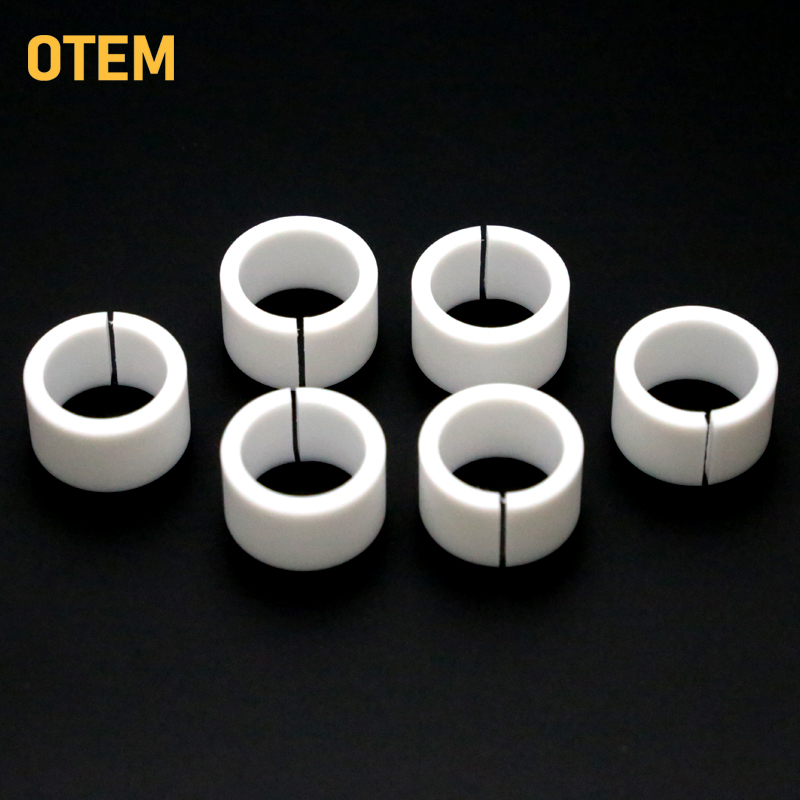
Special engineering plastic injection stage
1. Melting stage
The first step is to melt the plastic particles; The particles are then placed in the machine's hopper; This goes into the barrel, where a rotating screw uses heat and friction to liquefy the plastic.
2. Injection stage
This is the most important step; Any error may affect the quality of the final part. Here, the molten plastic is injected into the mold at a uniform rate under high pressure.
3. Cooling stage
Once inside the mold, the plastic resin solidifies and cools. Because plastic is often a poor conductor of heat, this cooling phase can be time-consuming.
4. Molding period
Once fully cooled, open the mold and remove the plastic parts using the thimble built into the mold. At this stage, the mold is closed and the process is repeated to make other identical parts as needed.
5. Processing after polishing
The final step involves twisting or cutting any physical defects and applying various surface finish options as needed to make the part smoother.
Guangzhou OTEM Engineering Plastics Co., Ltd. has more than 20 years of special engineering plastic processing experience, more than 2,000 square meters of physical processing plants, as well as professional production equipment and professional production design team, can bring you satisfactory service of special engineering plastic products.
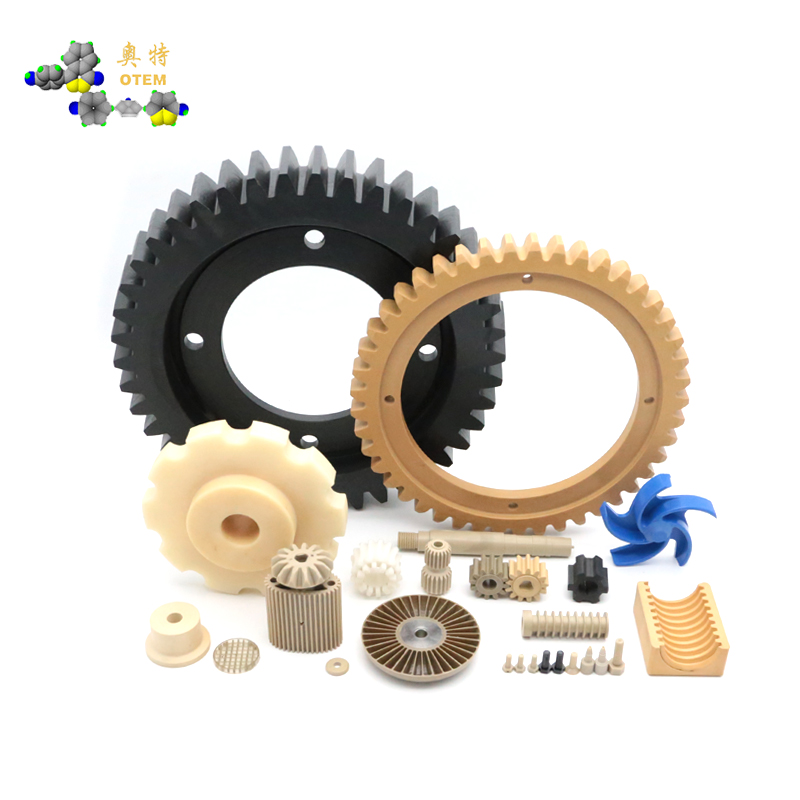
Injection molding requirements for special engineering plastics
1, injection molding machine
It is recommended to use a modern reciprocating screw injection molding machine with closed-loop control capability and microprocessor control for injection molding Tepla?T7200, Tepla?T8100, Tepla?T8010 and other special engineering plastics.
2. Screw
Screw material temperature of 400 degrees Celsius, must use a low compression ratio screw without a check device, the recommended compression ratio of 1:1 to 1.3:1.
3, material drying
The drying equipment must be able to reach a temperature of at least 120 ° C. The drying system shall be able to maintain the recommended drying time in continuous operation, usually 6 hours under the above conditions.
4. Process control and monitoring
The molding process should be controlled by screw speed and position, not by pressure and time control. This ensures that injection rate and filling time are controlled.
5, shut down and clean materials
After the process is interrupted or the injection molding operation is completed, use a suitable cleaning material with thermal properties exceeding 370 ° C, and no plastic should be left in the barrel of the molding machine.
About Us Product Infor Application Service Human Resources Contact us
———— ———— ———— ———— ———— ———— ————
Company Profile Hign-Perfomance E?egineering? news Industry Application Technical Q&A Humanistic care Contact information
C?ompany culture E?egineering Plastic Applications Humanities Policy Online message
Enterprise Honor Fluoroplastic Job Recruitment