Things you must know about plastic metal inserts
Advantages of combining plastic with metal inserts
1. Enhance product durability
Due to the low strength of the plastic products themselves, the use of metal inserts can enhance their structural strength and durability, reduce the probability of problems such as plastic breakage during the use of the product, thereby improving the life of the product.
2. Improve product quality
The use of metal inserts can not only enhance the strength of the product, but also enhance its appearance texture, making the product look more upscale.
3. Reduce material waste
Embedding metal inserts into plastic products can effectively reduce material waste, improve material utilization, and reduce production costs.
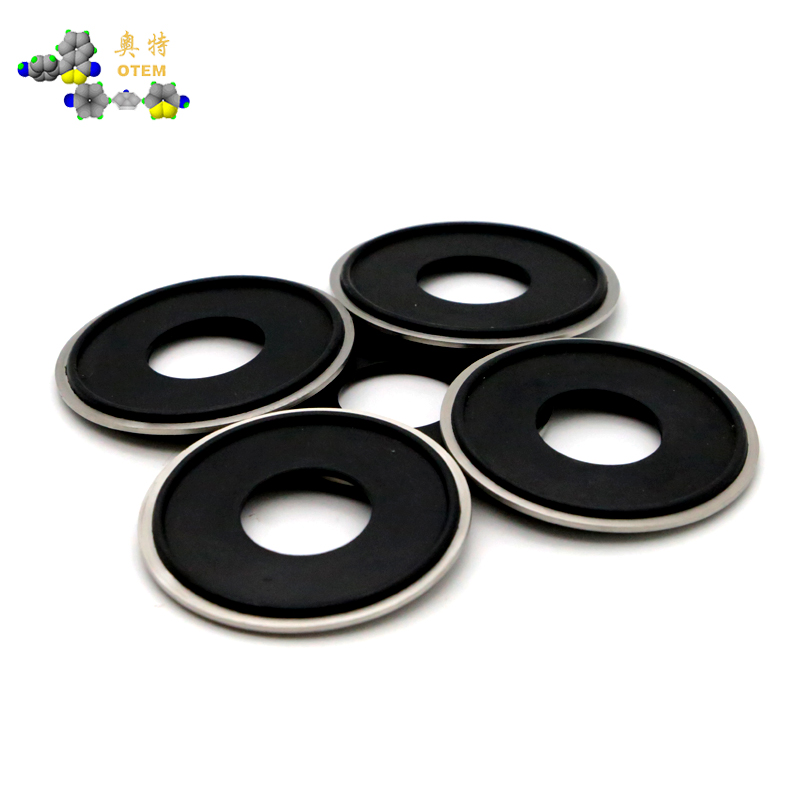
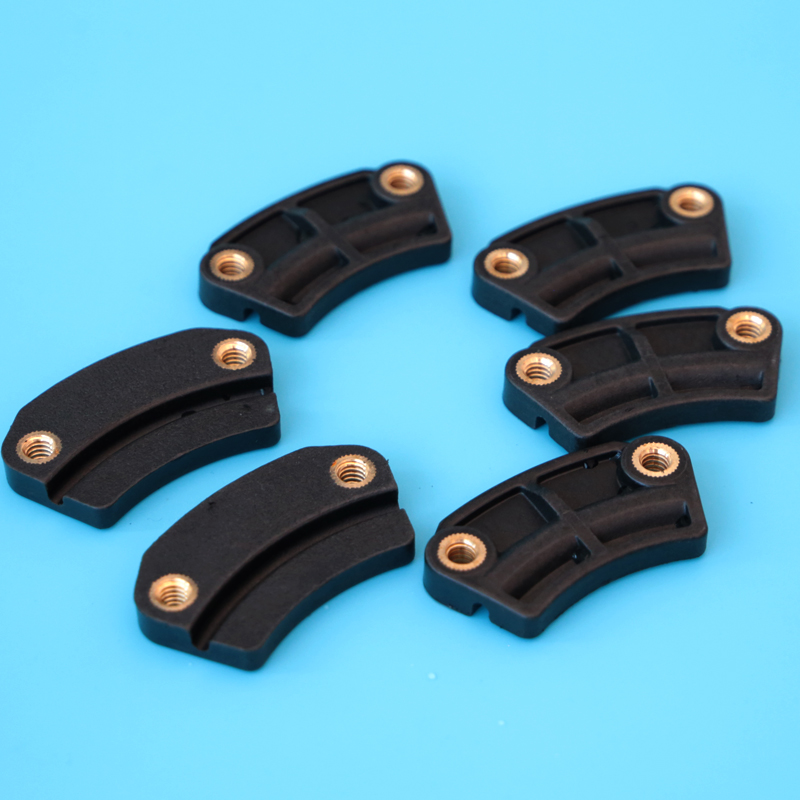
Insertion of plastic and metal inserts
1. Hot melt implantation
Hot melt implantation is also called hot pressure implantation. The insert (usually copper insert) is heated by electric soldering iron (to 200-250 degrees), the reserved hole wall of the plastic part becomes soft after heating, and then the insert is pressed at a constant speed.
2. Mold implantation
Before the injection molding, the metal insert is fixed on the thimble (PIN) in the mold, and then the injection molding machine closes the mold, the glue is injected, and the insert is integrated with the cooled plastic part after the mold is opened.
3. Direct implantation
Direct pressing insert without heating, through the unique insert form, the press directly into the insert into the plastic reservation hole, generally suitable for thermosetting hot plastics. The cylindrical design of the directly pressed insert is chamfered to prevent slipping out.
4. Slot implantation
Slotted implantation does not need heating, and is divided into two types, one is chamfered, pressing into the preset plastic hole through the punch, the bottom of the insert because of the opening slot, the bottom of the external force, the threaded aperture becomes smaller, and the screwed bolt forms a certain clamping force to prevent the insert from falling out. The second is threaded screwing, the insert shape has a sharp self-tapping thread, and the insert is screwed into the plastic hole by screwing, similar to the threaded bushing.
Guangzhou OTEM Engineering Plastics Co., Ltd. has more than 20 years of plastic insert, plastic metal insert production and manufacturing experience, with more than 2,000 square physical processing factory, also has CNC, vulcanization machine, spark machine and other professional production equipment, as well as a professional design team can bring customers satisfactory products and services.
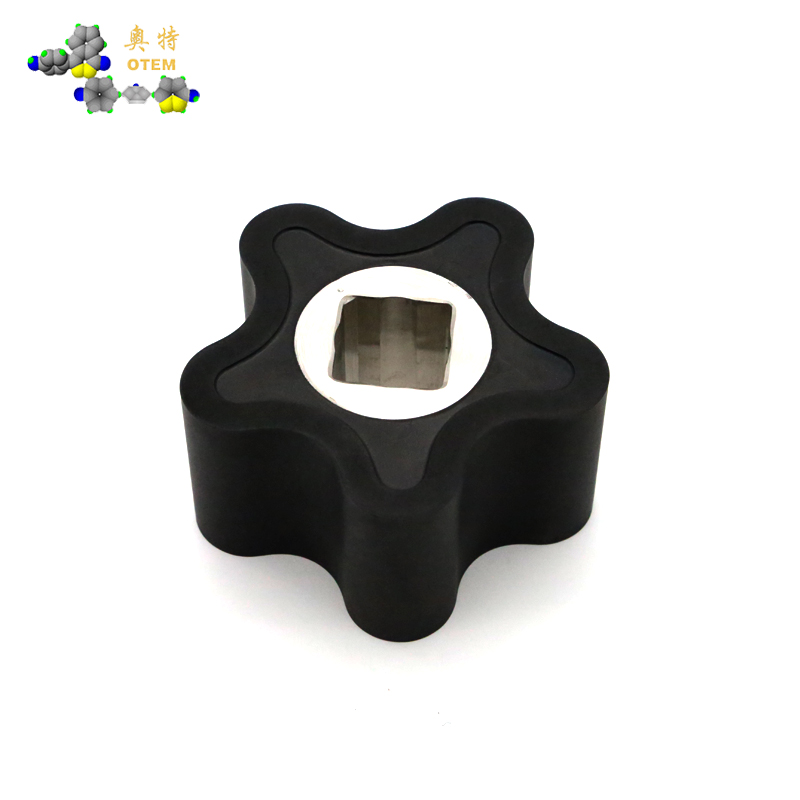
Design principles for plastic parts and metal inserts
1. The inserts should be firmly fixed in the plastic parts
In order to prevent the insert from rotating or falling out in the plastic part when stressed, the insert surface must be designed with appropriate convex and concave shapes. The most commonly used rhomboid knurled has high tensile and torsional strength. Sheet inserts fixed by holes, notches or partial bends; Thin-walled tubular inserts can also be fixed by edge bending. The pin insert can be fixed by flattening or bending one of the sections.
2. The inserts in the mold should be positioned reliably
The insert in the mold should be affected by the impact of high pressure melt flow when forming, and may be displaced and deformed, while the molten material may also be squeezed into the prefabricated hole or thread line on the insert, affecting the use of the insert, so the insert must be reliably positioned, and the height of the insert is required not to exceed 2 times the diameter of its positioning part. Method of fixing external thread insert in die. Use the rod part on the insert to match with the mold; The form of a shoulder fit can increase the stability of the insert and prevent the plastic from flowing into the thread; The insert has a protruding ring, which is pressed against the mold during forming to form a sealing ring to prevent the inflow of plastic.
3. The wall thickness around the insert should be large enough
Due to the large difference in shrinkage rate between the metal insert and the plastic part, the plastic around the insert has a large internal stress, if the design is improper, it will cause the cracking of the plastic part, and maintain the appropriate thickness of the plastic layer around the insert can reduce the cracking tendency of the plastic part.
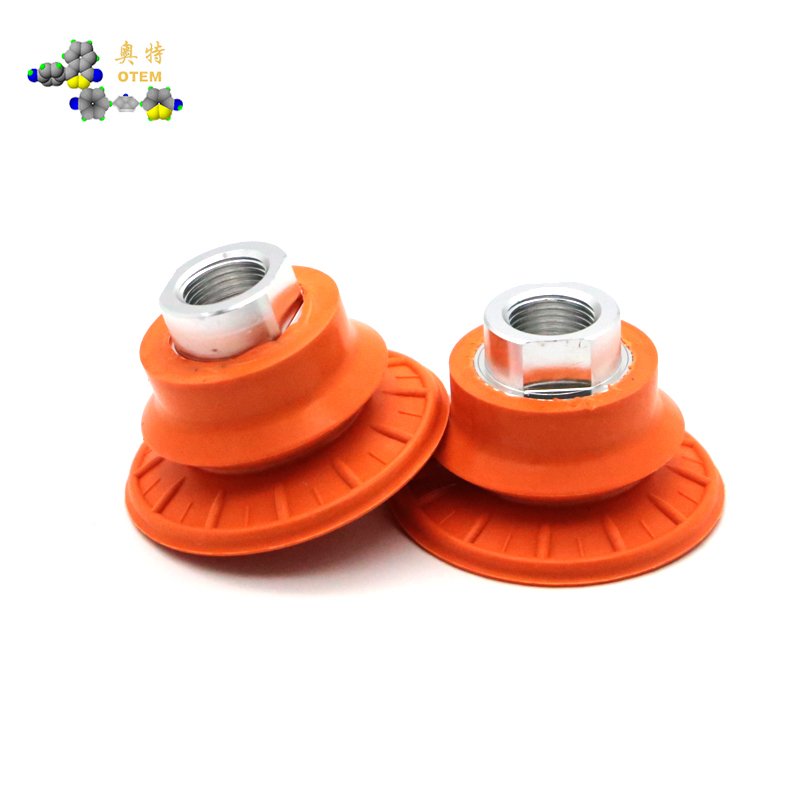
Plastic inserts need attention
1. Cycle time The use of plastic inserts will increase the cycle of parts forming, and the maintenance cost of the mold will also be significantly increased.
2. Various reasons for scrap parts, such as poor injection molding, or missing inserts, poor position, etc., will cause the entire part to be scrapped
3. Mold damage If the insert size is wrong, or the insert is poorly designed, it will cause mold damage.
4. Fusion line This structure is easy to produce fusion line. It is up to the mold designer to design a good mold to reduce the degree of fusion line.
5. Residual stress, plastic will shrink, metal will not. When the injection molding is complete, the plastic continues to shrink. And the insert retains its volume, so there will be a certain crack around the insert, which is caused by residual stress. In this case, I can use more flexible plastic materials to prevent.
About Us Product Infor Application Service Human Resources Contact us
———— ———— ———— ———— ———— ———— ————
Company Profile Hign-Perfomance E?egineering? news Industry Application Technical Q&A Humanistic care Contact information
C?ompany culture E?egineering Plastic Applications Humanities Policy Online message
Enterprise Honor Fluoroplastic Job Recruitment