Special engineering plastics, also known as high-performance polymers, are generally developed according to the needs of special applications. Compared with general engineering plastics, their performance is more excellent and unique. The long-term use temperature is above 200°C.
Special engineering plastics mainly include polyphenylene sulfide (PPS), polyimide (PI), polyether ether ketone (PEEK),
Polyetherimide (PEI), liquid crystal polymer (LCP) and polysulfone (PSF). Special engineering plastics have unique and excellent physical properties and are mainly used in high-tech fields such as electronic and electrical and special industries.
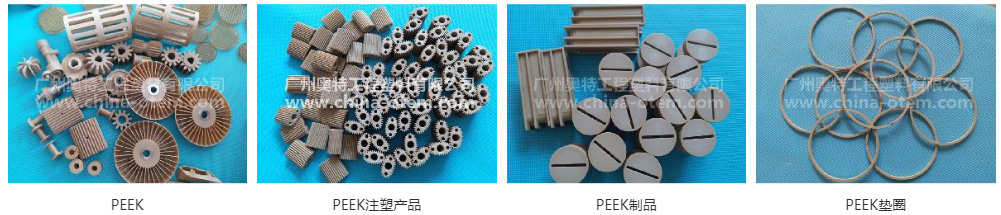
Polyetheretherketone PEEK
Polyetheretherketone is a linear aromatic semi-crystalline thermoplastic. It is a legendary special engineering plastic. It has unprecedented high performance and has been used as an important strategy since its birth. National defense military materials.
Full name: Polyetheretherketone
Synthesis method: polycondensation
Melting point: 334°C
Glass transition temperature: 143℃, its glass fiber or fiber reinforced grade can be used for a long time at 250℃.
Advantages: low creep, high modulus of elasticity, excellent friction performance, particularly resistant to friction, resistance to corrosion by various media and very excellent chemical resistance.
Disadvantages: insoluble in industrial solvents, difficult to synthesize, relatively low output, low glass transition temperature, etc.
Application areas: electrical and electronic, machinery, automotive industry, petroleum exploration, medical treatment, protective coatings, etc.
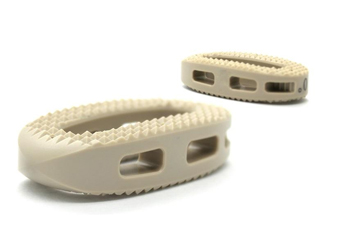
PEEK medical product accessories
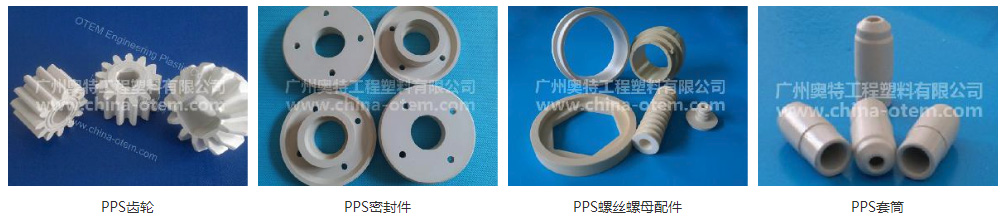
Polyphenylene sulfide PPS
Polyphenylene sulfide, also known as polyphenylene sulfide and polyphenylene sulfide, was born in 1973. Although it has been developed for more than 40 years, it has great potential. It is known as the sixth largest engineering plastic and is my country's independent industrialization. Special engineering plastics.
Full name: polyphenyl sulfide
Synthesis method: Ma callum method, contraction method, Philips method
Melting point: 280~290℃
Decomposition temperature: 430~460℃ (in the air)
Crystallinity: up to 65%
Advantages: excellent thermal stability, long-term use temperature is the highest among thermoplastic materials, reaching 220~240℃, excellent creep resistance.
Disadvantages: the impact resistance of the profile is weak, and the elongation strain at break is very low.
Application areas: electronic and electrical, machinery, automobiles, flame retardant accessories, etc.
Polysulfone PSF
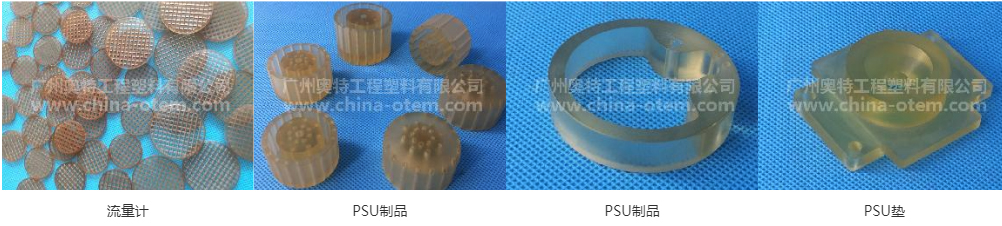
There are three types of ordinary bisphenol A PSF, polyethersulfone and polyarylsulfone.
Full name: polysulfone
Heat resistance: polyarylsulfone>polyethersulfone>polysulfone
Processability: polyarylsulfone=polysulfone>polyethersulfone
Advantages: excellent mechanical properties, high strength, high modulus, high hardness, low creep resistance, heat resistance, cold resistance, aging resistance, high heat distortion temperature, good chemical stability, corrosion resistance of inorganic acids, alkalis, and salt solutions , Excellent electrical insulation, radiation resistance, and self-extinguishing.
Disadvantages: Not resistant to polar organic solvents, such as ketones, esters, chloroform, etc., have poor fatigue resistance.
Application areas: electrical and electronic, food and daily necessities, automotive, aviation, medical and general industry, etc.
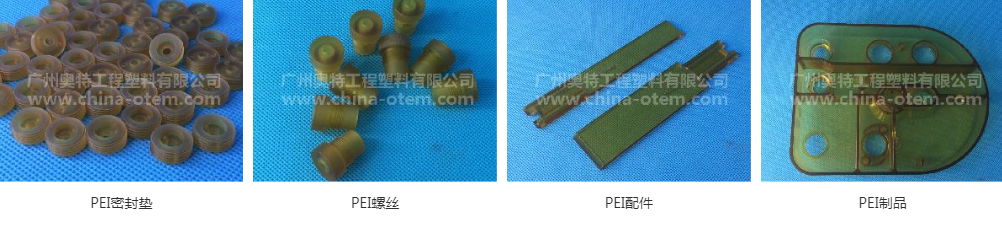
Polyetherimide PEI
In 1972, the American GE company began to research and develop PEI. After 10 years of trial production and trial, a 5,000-ton production facility was built in 1982, and the Ultem product was officially sold on the market.
Full name: Polyetherimide
Melting temperature: 340~415℃, can be used for a long time under the working temperature of -160~180℃.
Glass transition temperature: 215℃
Drying temperature: 150℃
Advantages: high temperature resistance, high strength, high modulus and a wide range of chemical resistance, flame resistance, and low flue gas emissions, high dielectric constant and loss factor.
Defects: The linear expansion coefficient is high, and the brittle fragments of pure resin are prone to peeling off at the initial stage of friction.
Application areas: electrical appliances, electronics industry, food industry, etc.
Polyimide PI
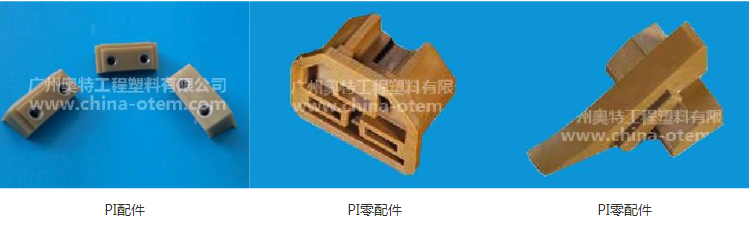
Polyimide PI is a kind of heteroaromatic polymer with imide ring on the main chain of the macromolecule. It is divided into thermosetting PI and thermoplastic PI. It is a typical organic polymer material. Thermoplastic PI has a high molding temperature, and small molecules are released, so it is not widely used as a composite material. Thermosetting PI is different. It uses low-molecular-weight, low-viscosity monomers with crosslinkable end groups and their prepolymers as initial materials, and is cured by heating, which fundamentally improves the processability.
Full name: Polyimide
Synthesis method: polycondensation
Decomposition temperature: about 500℃
Advantages: high and low temperature resistance, chemical corrosion resistance, good dimensional stability, self-extinguishing, low toxicity, good biocompatibility, etc.
Disadvantages: difficult to process, poor water resistance, high price
Application areas: aviation, national defense, microelectronics and nano lasers, etc.
Liquid crystal polymer LCP
Full name: liquid crystal polymer
No fixed molecular structure, monomer polycondensation can be combined according to performance requirements
Injection temperature: 301~350 degrees Celsius
Drying temperature: generally 160~180℃
Advantages: self-increasing, excellent thermal stability, heat resistance and chemical resistance, excellent flame retardancy, outstanding corrosion resistance.
Disadvantages: The trace amount of moisture will be dried before adapting, and the moisture content should be reduced to 0.03% before use.
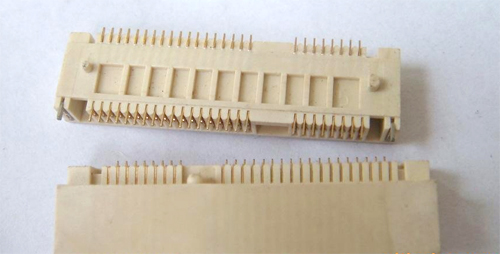
Application areas: electrical and electronic fields, etc.
Content source: network
Disclaimer: The content is reproduced online, and the copyright belongs to the original author. However, due to the large number of reprints, the true original author cannot be confirmed, so only the source of the reprint is indicated. If the videos, pictures, and texts used in this article involve copyright issues, please inform as soon as possible. We will delete the content immediately after confirming the copyright based on the supporting materials you provide!