The properties of engineering plastics make them suitable for unique applications in aerospace, which is why the use of engineering plastic parts in aerospace design has quadrupled in the past 45 years.
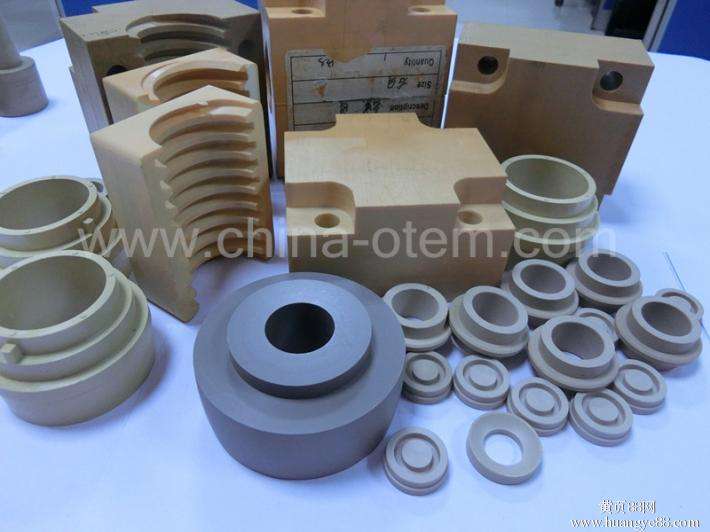
The weight of engineering plastics is much lighter than metal, which makes them suitable for more dynamic designs and lighter aircraft parts, and can bring huge fuel savings. The advantage in the weight-to-strength ratio means that to achieve the same strength, the weight of engineering plastics is only one-seventh of metal, or half of aluminum. Engineering plastics can also provide corrosion resistance for aircraft applications in harsh environments, as well as relatively high thermal and mechanical stability.
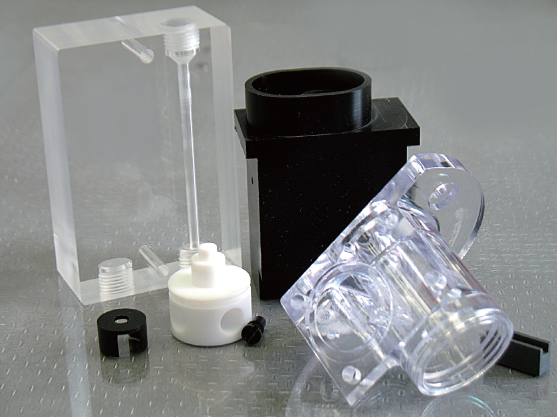
Compared with glass, the application of transparent plastics in aviation manufacturing also has several advantages. Transparent plastic parts are lighter and can provide higher impact resistance than glass, which is a key safety factor for aircraft. Transparent plastic can be molded in several ways and made into strong, transparent and complex parts.
In many aircraft applications, bearings and shafts require high surface lubricity, but sometimes they are difficult to lubricate because of their location. The new self-lubricating plastic technology can solve this problem in many cases, and can achieve a long service life without minimum maintenance.
As an efficient electrical insulator, engineering plastics are the first choice for some aerospace applications. Many engineering plastics have this natural insulating ability and therefore provide a large selection of materials, but some engineering plastics provide near-zero conductivity. In military applications, engineering plastics are an effective insulating material for radar to prevent detection.
In addition, engineering plastics can provide great flexibility in design. Nowadays, engineers have many kinds of high-performance thermoplastics and composite materials to choose from, which can well meet the high requirements of any application.
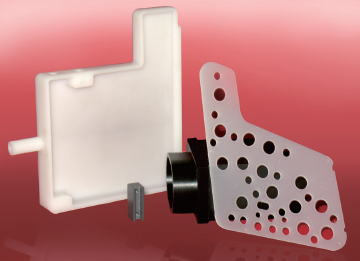
Finally, the manufacturing of engineering plastic parts is generally more economical. The key is to choose the best method for most projects from a wide range of manufacturing methods.
The evolution of aerospace engineering plastic parts
Historically, the aerospace industry and the plastics industry took off very close in time—both in World War II.
The emergence of war has accelerated the development of aircraft used in combat. In 1940, US President Roosevelt increased the annual production of military aircraft from 10,000 to 50,000 to support the war. At the same time, the shortage of key industrial materials such as metal and rubber during the war has rapidly promoted the application of plastics in manufacturing, including aviation manufacturing.
Engineers in the aerospace industry initially used vinyl materials to replace rubber parts, especially on the inner wall of the fuel tank and pilot boots. Plastics were then used to make the radome covering the radar device. Since it is almost transparent to electromagnetic waves, plastics were quickly put into use to maximize transmission.
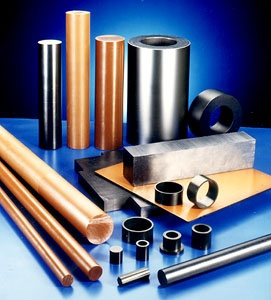
As engineers discovered new ways to utilize the properties of engineering plastics, a successful chain reaction was triggered. In the 1960s and 1970s, the development of high-performance engineering plastics opened new doors. Today, aerospace engineering plastic parts are widely used in the FAA-approved parts market. This fastest and most cost-effective material can help aerospace manufacturers get the parts they need. Engineering plastic parts appear in large numbers in the aerospace field, from fuselage parts to bushings, bearings, brackets and more.
Many engineering plastic parts in aerospace applications are machined rather than molded or extruded. When the number of replacement parts is limited, machining is the best choice, because it can achieve very high performance and accuracy, as well as the very tight tolerances required for aerospace design.
In addition, machining is usually much cheaper. Unless you have to produce a large number of parts, the cost of mold opening will be quite uneconomical. The cost of an injection molding mold can be as high as $30,000. If you need thousands of parts of a certain kind, the cost of mold opening is acceptable, but the aviation industry usually only needs a hundred or less at a time.
Obviously, the replacement parts must be made of the same plastic. Not long ago, aerospace manufacturers would provide plastic suppliers with samples of original parts for reproduction. Now, they let plastic engineers get FAA-approved samples directly from CAD designs.
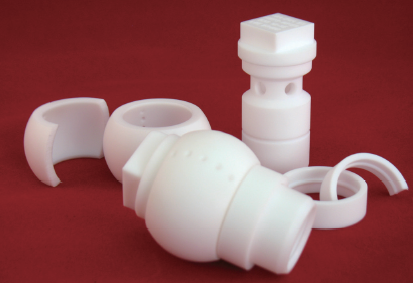
Aviation engineering plastics
With so many high-performance engineering plastics to choose from, engineers can choose the best material for any given application. Here are some engineering plastics commonly used in the aviation field.
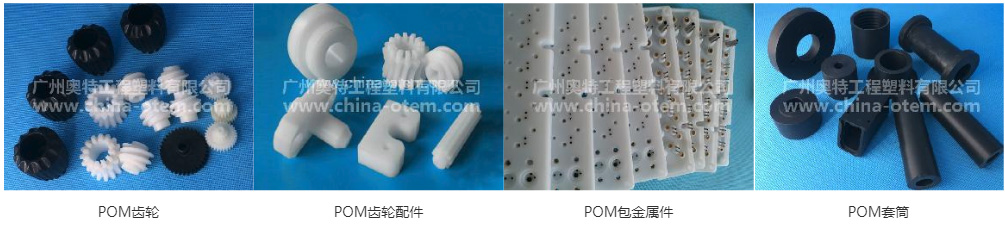
Delrin (Polyoxymethylene resin) (POM)-This material can bridge the gap between metal and ordinary plastic, combining creep resistance, strength, stiffness, hardness, dimensional stability and toughness. It is solvent-resistant, fuel-resistant, wear-resistant, low-wear, and low-friction. Its basic mechanical surface properties enable the bearing to withstand moderate wear.
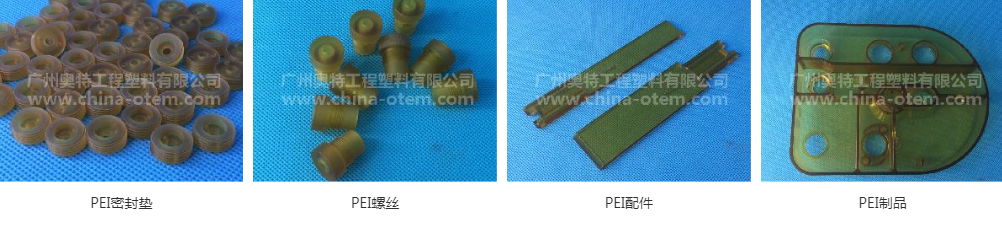
Ultem Polyetherimide-This is an amorphous thermoplastic polyetherimide (PEI) material that combines mechanical, thermal and electrical properties. Its mechanical strength, heat resistance, corrosion resistance and other characteristics, as well as easy processing and surface treatment, allow it to be used in many aerospace applications.
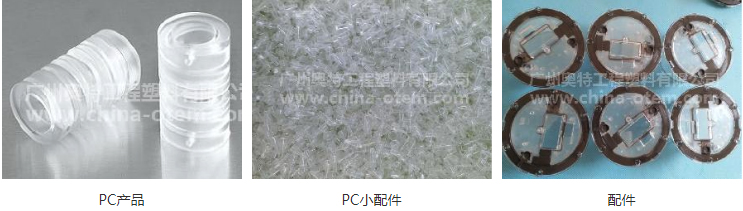
Polycarbonate (PC)-This is a durable, high-performance plastic that is easy to process, provides excellent heat resistance, and is the first choice for optical components due to its transparency. It is a high-strength material with impact strength 25 times that of acrylic.
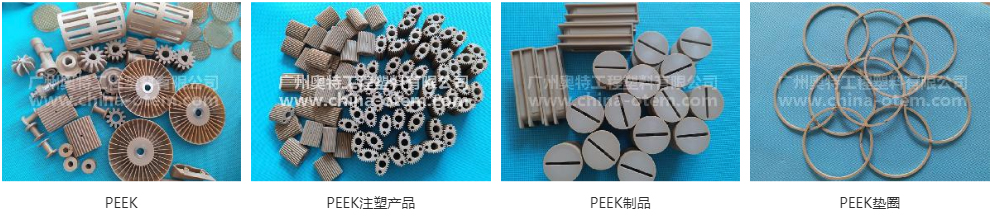
Polyetheretherketone (PEEK)-This is a polymer with strength, stiffness, and hardness. It is an ideal choice for applications involving high temperatures, high humidity and heavy loads. Polyetheretherketone combines abrasion resistance, chemical resistance, and moisture resistance, as well as strength and rigidity. It also shows good friction properties and wear resistance. It provides hydrolysis resistance and can be exposed to high-pressure water and steam for a long period of time without severe degradation. Due to its high temperature resistance, polyether ether ketone will be an ideal choice when the processing temperature exceeds the limit that conventional plastics can withstand.
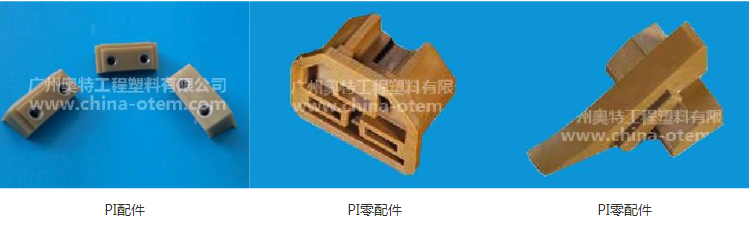
Polyimide PI (Torlon)-This plastic can withstand very high temperatures. In addition, Torlon can provide excellent strength, toughness and stiffness, as well as durability and impact resistance. Its heat resistance and pressure resistance, combined with self-lubricating properties, make it very suitable for bearings.
Nylon-a core material, mainly due to its toughness and strength. It is wear-resistant and has good wear resistance. It is also easy to process, lightweight, and highly cost-effective. Due to its excellent wear resistance, it can often replace metal, rubber and other materials.

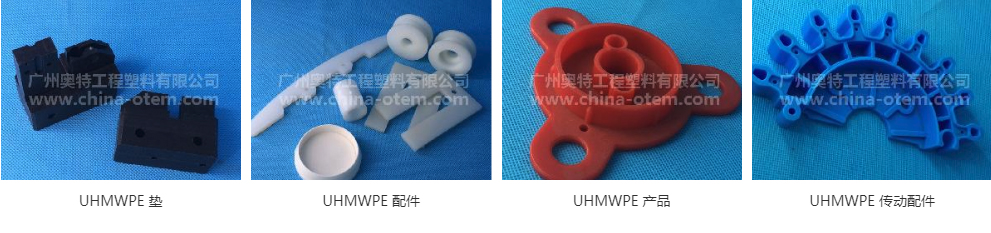
Ultra-high molecular weight (UHMW) materials-When engineers want to improve equipment efficiency, improve its wear resistance, and noise reduction performance, they will choose ultra-high molecular weight polyethylene to make plastic parts. UHMW also provides excellent performance, including temperature, impact resistance, and wear resistance. It has a lower coefficient of friction than steel or aluminum.
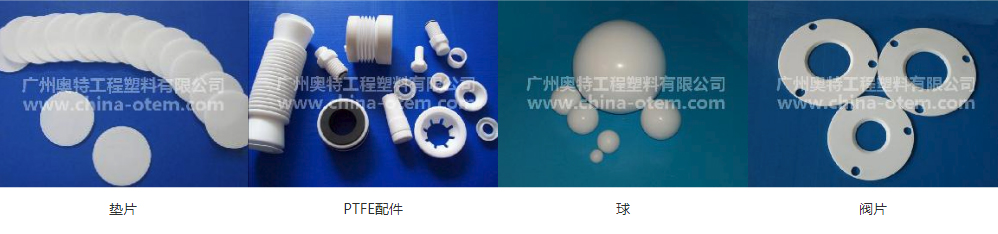
Polytetrafluoroethylene (Teflon)-This is a fluorocarbon compound that can be used well from high temperature and chemical environments to places that require high purity and inertness. It can maintain its performance under a wide range of temperatures and high loads. In the aerospace industry, it is commonly used for sealing and chemical resistance applications.
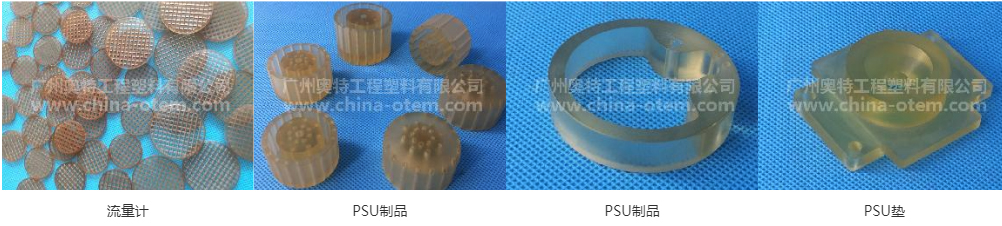
Polysulfone (Polysulfone)-this material has high thermal stability, the parts made can remain stable under continuous load and high temperature, and resist creep and deformation. It has high tensile strength, and as the temperature increases, the flexural modulus remains high. Polysulfone is highly resistant to aqueous solutions of inorganic acids and oxidants, and even at high temperatures and moderate pressure levels, it can still resist many non-polar solvents.
With the development of the aerospace industry, engineering plastics and their applications have also developed. Due to the unique comprehensive properties of engineering plastics and the continuous development of new engineering plastic materials, we have reason to believe that engineering plastics will continue to play a key role in the innovation of the aerospace industry.
Content source: network
Disclaimer: The content is reproduced online, and the copyright belongs to the original author. However, due to the large number of reprints, the true original author cannot be confirmed, so only the source of the reprint is indicated. If the videos, pictures, and texts used in this article involve copyright issues, please inform as soon as possible. We will delete the content immediately after confirming the copyright based on the supporting materials you provide!