Plastic KOPp - polysulfone injection molding
Characteristics of polysulfone
1. Polysulfone is an amorphous thermal plastic, highly transparent, high hydrolytic stability, polysulfone products can withstand repeated steam disinfection (life at 145℃ steam for at least 12 years);
2. Rigidity and toughness, can maintain physical and mechanical properties and electrical properties in a wide range;
3. Unique flame retardant, low smoke and chemical resistance, processing also has a high melt viscosity, easy to produce uniform performance products;
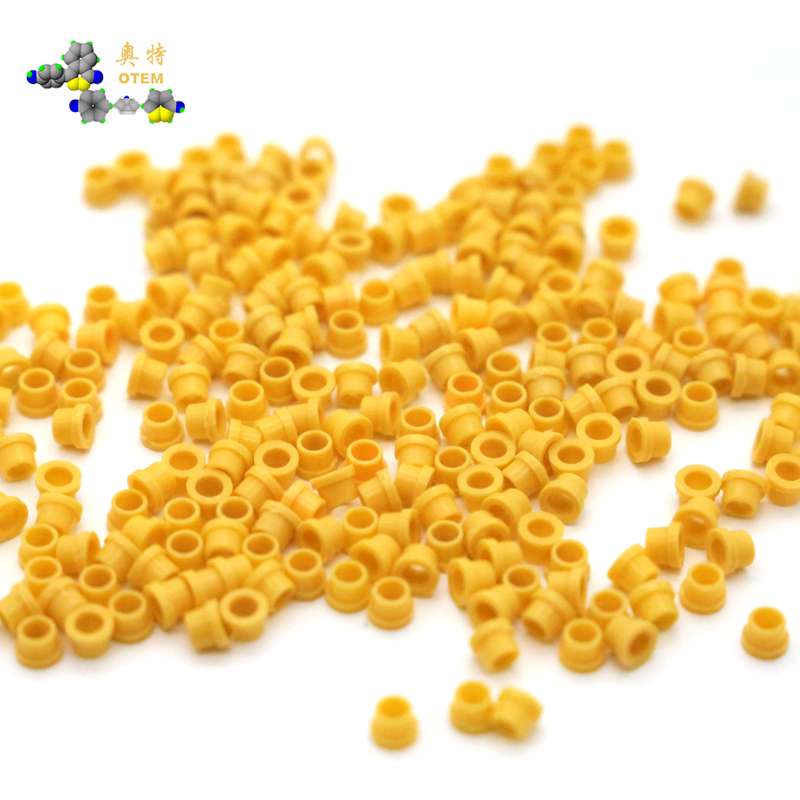
Production process of polysulfone
1. Raw material preparation
The main raw materials of polysulfone include styrene, methyl acrylate (MMA) and titanium dioxide. These raw materials require rigorous screening and pretreatment prior to production to ensure their purity and quality.
2. Reaction synthesis
After the raw materials such as styrene and methyl acrylate (MMA) are mixed, the catalyst and initiator are added and the reaction is carried out at the appropriate temperature. In the process of reaction, attention should be paid to controlling reaction rate and reaction time to avoid side reactions.
3. Solvent extraction
After the reaction is complete, the product is extracted by solvent to remove the unreacted impurities. Common solvents are dichloromethane, dichloroethane, trichloromethane and so on.
Step 4 Wash
After solvent extraction, the product needs to be cleaned with water to remove residual solvents and other impurities.
Step 5: Dry
The washed product is dried to remove moisture from it.
Step 6 Crush
The dried product is crushed to facilitate subsequent processing.
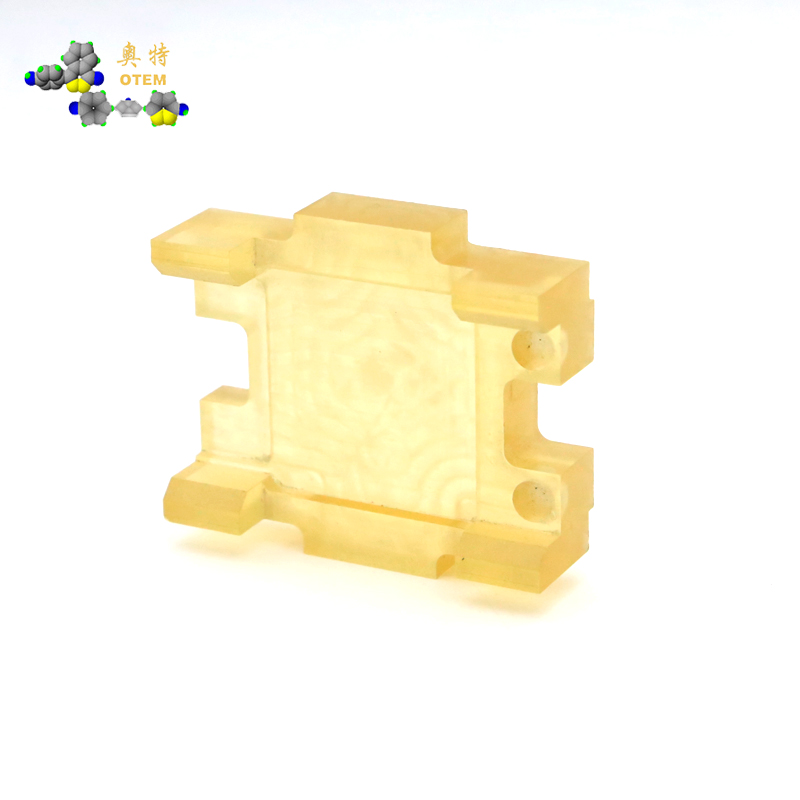
Polysulfone molding temperature and its influencing factors
1?, melting temperature
The melting temperature of polysulfone is generally between 230° C and 260°C, depending on the molecular weight and structure of polysulfone. The higher the molecular weight and the more compact the structure of polysulfone, the higher the melting temperature. Before processing, polysulfone needs to be heated to a melting temperature to make it into a flowing state.
2?, injection molding temperature
During the injection molding process, the melting temperature of polysulfone should be controlled within a suitable range to ensure the quality and performance of the product. In general, the injection molding temperature should be slightly lower than the melting temperature, usually between 220° C and 250°C. In addition, the injection molding speed will also affect the processing temperature of polysulfone. If the injection speed is too fast, the melting temperature will be too high; Conversely, if the injection speed is too slow, the melting temperature will be too low.
3?, extrusion temperature
In the extrusion process, the melting temperature of polysulfone also needs to be controlled in a suitable range. In general, the extrusion temperature should be slightly higher than the injection temperature, usually between 240° C and 270°C. In addition, extrusion pressure and extrusion speed will also affect the processing temperature of polysulfone. If the extrusion pressure is too large or the extrusion speed is too fast, the melting temperature will be too high. Conversely, if the extrusion pressure is too small or the extrusion speed is too slow, the melting temperature will be too low.
Controlling the forming temperature of polysulfone is one of the keys to ensure the quality and performance of the product. In actual production, it is necessary to choose the appropriate processing temperature according to different processing methods and product requirements, and pay attention to controlling various parameters in the processing process to achieve the best production effect. And we Guangzhou OTEM Engineering Plastics Co., Ltd. has more than 20 years of polysulfone products, such as PSU mold processing, PPSU product customization experience, has a professional design team, as well as professional production equipment, can provide you with satisfactory products and services!
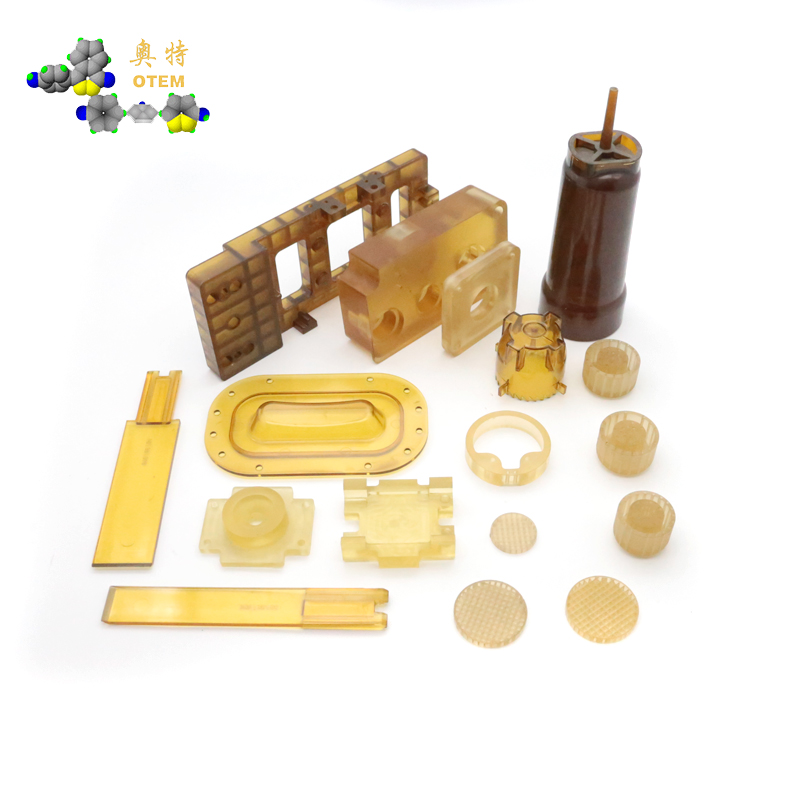
The reason for the lack of transparency of polysulfone products
1. Polysulfone products contain water or impurities mixed.
2. Gate size is too small, shape is not good or position is not good.
3. Mold surface is not smooth, there is water or oil.
4. Low temperature of polysulfone products, or low mold temperature.
5. High material temperature or large shear effect of pouring system, resulting in plastic decomposition.
6. Bad contact between melt material and mold surface or mold exhaust.
7. Poor plasticization, poor cooling of crystalline materials, uneven or uneven wall thickness of products.
8. The injection speed is too fast and the injection pressure is too low.
About Us Product Infor Application Service Human Resources Contact us
———— ———— ———— ———— ———— ———— ————
Company Profile Hign-Perfomance E?egineering? news Industry Application Technical Q&A Humanistic care Contact information
C?ompany culture E?egineering Plastic Applications Humanities Policy Online message
Enterprise Honor Fluoroplastic Job Recruitment