Thermoplastic elastomer - TPU
What is TPU?
Thermoplastic polyurethane elastomer, also known as thermoplastic polyurethane rubber, referred to as TPU, is A (AB) N-type block linear polymer, A is a high molecular weight (1000~6000) polyester or polyether, B is a diol containing 2~12 straight chain carbon atoms, AB chain chemical structure is diisocyanate. Thermoplastic polyurethane rubber is cross-linked by intermolecular hydrogen bonds or slight cross-linking between macromolecular chains. With the increase or decrease of temperature, these two cross-linking structures are reversible. In the molten state or solution state, the intermolecular force is weakened, and after cooling or solvent volatilization, there is a strong intermolecular force connected together to restore the performance of the original solid. Typical TPU such as spandex, etc. Thermoplastic polyurethane elastomer (TPU) is a kind of elastomer that can be plasticized by heating and dissolved by solvent. It has excellent comprehensive properties such as high strength, high toughness, wear resistance and oil resistance, and good processing performance.
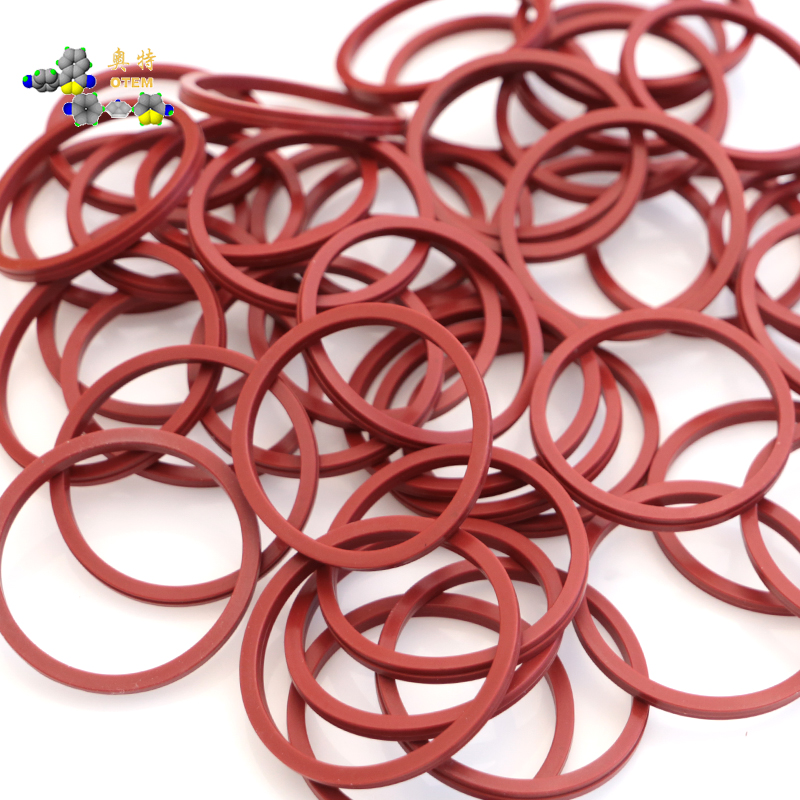
Advantages of TPU
1. High intensity
TPU has a high tensile strength and tear strength, higher than most synthetic and natural rubbers.
2. Wear resistance
TPU has good wear resistance and can maintain its shape and performance during long-term use.
3. Oil resistance
TPU has good oil resistance and can be used to manufacture seals, bearings and other parts that require oil resistance.
4. Cold tolerance
TPU can maintain its elasticity and performance at low temperatures, so it is suitable for use in cold environments.
5. Good processability
TPU can be processed by injection molding, extrusion, calendering and other methods, and the surface of the molded product is smooth.
Step 6 Go green
TPU materials can be recycled and reused, which is friendly to the environment.
Guangzhou Aote Engineering Plastics Co., Ltd. has more than 20 years of plastic-coated metal, TPU material production and manufacturing experience, with more than 2,000 square physical processing plant, but also has CNC, vulcanization machine, spark machine and other professional production equipment, as well as a professional design team can bring customers satisfactory products and services.
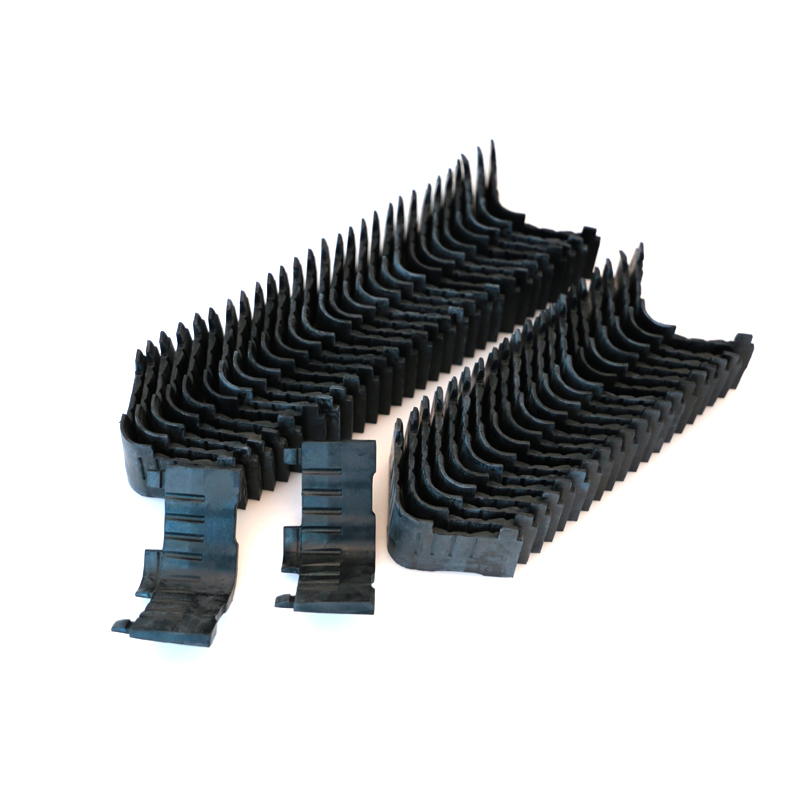
TPU injection molding process
1. Prepare raw materials
First of all, raw materials such as TPU particles, toner and additives need to be prepared. Among them, the toner can be adjusted according to customer needs, and the additive can be used to improve the performance of the material, such as improving wear resistance and cold resistance.
Step 2 Pretreat
TPU particles are added to the hopper of the injection molding machine and then heated and mixed by a twin or three screw injection machine. Before injection, the material also needs to be pre-treated, such as drying, dehumidification, etc.
3. Mold design
According to the product shape and size requirements, design the appropriate mold. Under normal circumstances, the mold of TPU material needs to have the characteristics of high precision, high hardness, high wear resistance and high temperature stability.
4. Injection molding
The pre-treated TPU particles are heated to a molten state, injected into the mold by an injection machine, and cooled and solidified quickly under high pressure. During the injection process, it is necessary to pay attention to controlling parameters such as temperature, pressure and speed to ensure stable product quality.
5. Post-processing
After injection molding is completed, the product needs to be post-treated, such as cleaning, drying, trimming, etc. These steps can improve the surface finish and dimensional accuracy of the product.
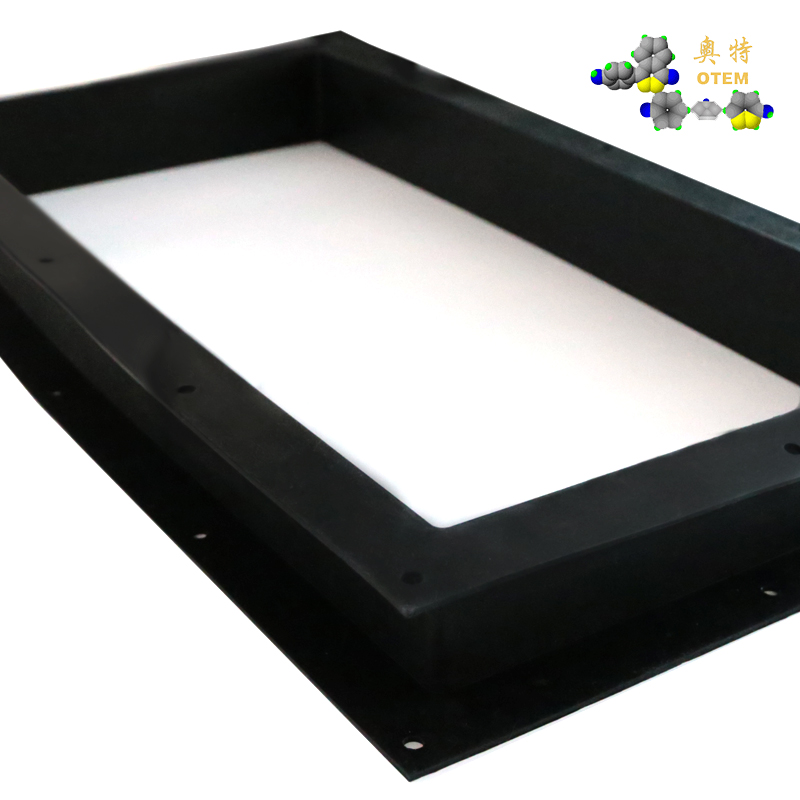
Application of TPU materials
1. Footwear
Sports shoes Logo, sports shoes air cushion, hiking shoes, snowshoes, golf shoes, roller skates, fabric and inner bonding materials.
2. Clothing products
Snowsuit, raincoat, windbreaker, cold jacket, field clothing, diapers, physiological pants, and other fabric composite materials (waterproof and permeable).
3. Medical supplies
Surgical clothes, hats, shoes, hospital mattresses, ice packs, bandages, blood plasma bags, surgical bandage strips, masks, and other fabrics and inner materials, operating bed air bags.
4. Defense supplies
Fabric and inner fabric of aircraft fuel tank, weapon storage coating, tent window, military water bag, life jacket, motor boat, air bag, etc.
5. Sporting goods
Football surface and inner liner, inflatable bed, drinking bag, ski gloves (waterproof bag), diving suit, snowsuit, swimsuit, snowboard, trademark, air bag, sports shirt, slimming suit and other fabrics and inner materials.
6. Industrial supplies
Drum paper rubber edge, waterproof strip, soundproof material, fireproof material, fireproof clothing, fireproof clothing, fireproof cloth and other fabrics and inner composite materials, wire and cable outer sheath materials.
7. Other uses
Mobile phone buttons, plastic inflatable toys, bed sheets, doilies, shower curtains, furniture cloth, apron, piano, computer keyboard, laminating and other fabrics and inner materials.
About Us Product Infor Application Service Human Resources Contact us
———— ———— ———— ———— ———— ———— ————
Company Profile Hign-Perfomance E?egineering? news Industry Application Technical Q&A Humanistic care Contact information
C?ompany culture E?egineering Plastic Applications Humanities Policy Online message
Enterprise Honor Fluoroplastic Job Recruitment