Special Engineering plastics - PSU processing
1, injection molding
Injection molding is one of the main methods of PSU processing. During injection molding, PSU particles are heated to a molten state and then injected into the mold by an injection machine. In the mold, the PSU plastic cools and solidifies to form the desired shape and structure. The elbow molding process has the advantages of high production efficiency, stable product size and wide application range.
2, extrusion molding
Extruded molding is another common PSU processing method. In the process of extrusion molding, PSU particles are heated to a molten state, and then extruded into a one-shape bar or pipe. Compared with injection molding, extrusion molding process has simple equipment, low cost, high production efficiency, but the product size and fine building are relatively low.
3. Blow molding
Blow molding is one of the commonly used methods in PSU plastic processing. In the blow molding process, the PSU particles are heated to a molten state and then extruded into a one-shape diaphragm or tube by an extruder. The diaphragm or tube is then blown up by compressed air or other means into a product of the desired shape and size. The blow molding process has the advantages of high production efficiency, stable product size and wide application range.
4, pressing molding
Press forming is another commonly used method in PSU processing. In the press molding process, the PSU particles are heated to a molten state, and then poured into the mold, through the action of pressure and temperature, the PSU is cooled in the mold to solidify into the desired shape and size of the product. The molding process has the advantages of high dimensional accuracy and high production efficiency, but the mold cost is high.
5, hot forming
Thermoforming is a processing method in which PSU products are placed on a hot press or hot plate, and the products are deformed and glued to the mold or plate under the action of heating and pressure. The thermoforming process is suitable for the production of large PSU products, such as automotive panels, building templates, etc. The thermal forming process has the advantages of high production efficiency and high material utilization rate.
6, mechanical processing
PSU can also be machined by means of machining. For example, PSU products can be finished and trimmed through mechanical processing methods such as matting, turning, drilling, etc., to meet the accuracy and appearance requirements of the products. The machining technology has the advantages of high machining precision and stable moving of quality house.
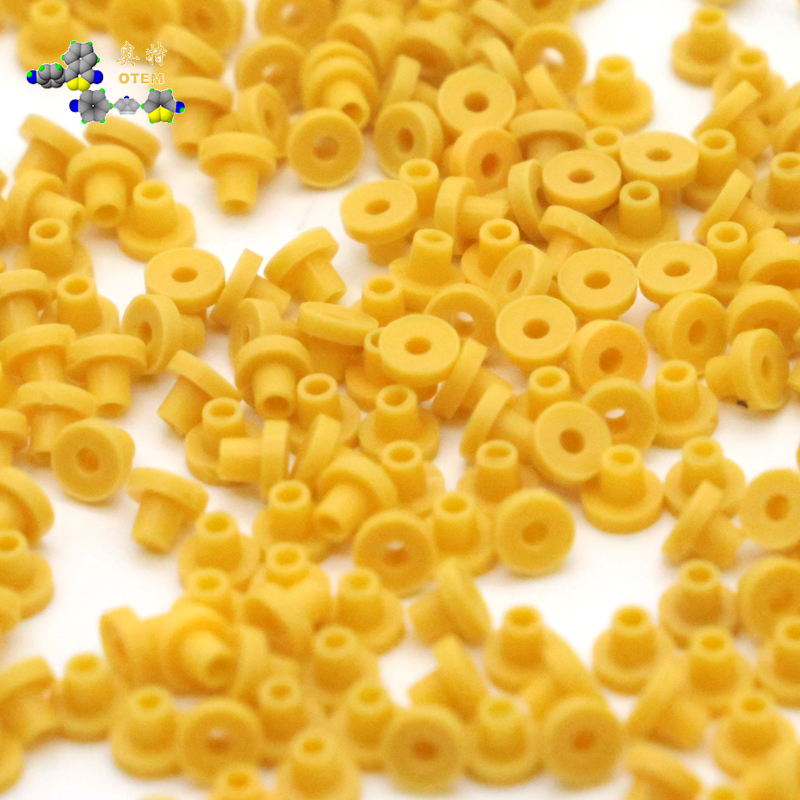
?Guangzhou OTEM Engineering Plastics Co., Ltd. is a PSU mold processing custom manufacturing experience of more than 20 years in Guangzhou injection molding factory, with more than 2,000 square meters of physical processing factory, but also has CNC, vulcanization machine, spark machine and other professional production equipment, has a strong strength in the field of Guangzhou mold customization. In addition, we have a professional design team to bring customers satisfactory products and services.
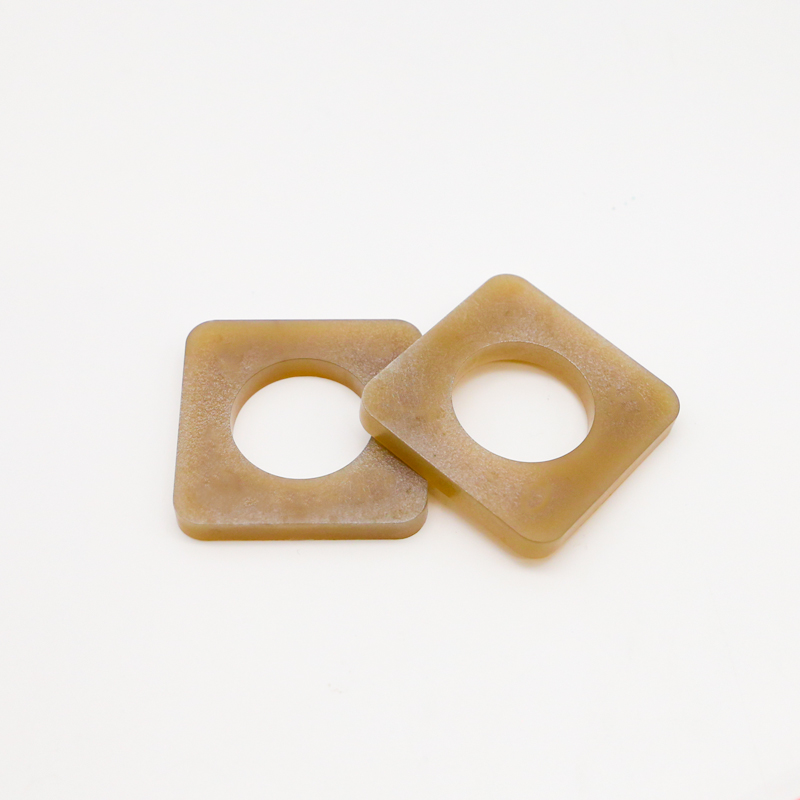
PSU products and mold design needs attention
1, the fluidity of PSU melt is poor, the ratio of melt flow length to wall thickness is only about 80, therefore, the wall thickness of PSU products shall not be less than 1.5mm, mostly more than 2mm. PSU products are more sensitive to gaps, so arc transitions should be used at right or acute angles. The shrinkage rate of PSU is relatively stable, ranging from 0.4% to 0.8%, and the melt flow direction is basically the same as that of the vertical direction. The release Angle should be 50:1. In order to obtain a clear and bright product, the surface roughness of the mold cavity is required to be above Ra 0.4. In order to facilitate the flow of melt, the main channel of the mold is required to be short and thick, its diameter is at least 1/2 of the thickness of the product, and has a slope of 3¡ã ~ 5¡ã, and the section of the shtary is best to use a circular arc or trapezoid to avoid the existence of bends.
2, the form of the gate can be determined with the product.
However, the size should be as large as possible, and the straight part of the gate should be as short as possible, and its length can be controlled between 0.5 and 1.0mm. The position of the feed port should be set at the thick wall.
3, set enough cold hole at the end of the main channel.
Because PSU products, especially thin-walled products, need higher injection pressure and faster injection rate in the molding, in order to allow the air in the mold to be discharged in time, it is necessary to set a good vent hole or groove. The depth of these vents or grooves should be controlled below 0.08mm.
4, the mold temperature should be set to improve the fluidity of PSU melt filling film.
The mold temperature can be as high as 140¡æ or above (at least 120¡æ or above). Drying process parameters: hot air circulation drying: 120 ~ 140¡æ, 4 ~ 6h, the thickness of the material layer is 20mm; Negative pressure boiling drying: 130¡æ, 0.5 ~ 1.0h.
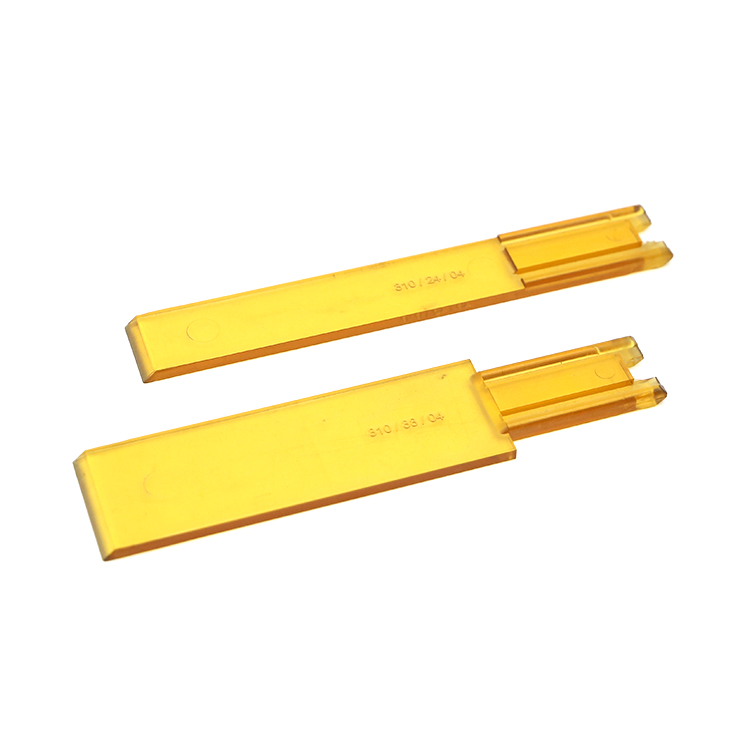
PSU processing precautions
1, PSU molding temperature is high, therefore, it is required to clean the cylinder before injection.
2, PSU products should not contain metal inserts. Due to the difference in the coefficient of thermal expansion, it is easy to produce stress concentration problems around the insert, so. Use inserts as little as possible, or preheat inserts during molding. Generally preheat to 200¡æ.
3, PSU is an amorphous polymer, the product is transparent. Therefore, in the molding should try to use less or no release agent;
4. Post-processing of products
Due to the rigidity of the PSU molecular chain, the internal stress of the product is large, so it is necessary to annealing it. The general principle of heat treatment: in the hot air circulation bellows, 10 ~ 20¡æ below its Tg, the time is 2 ~ 4h.
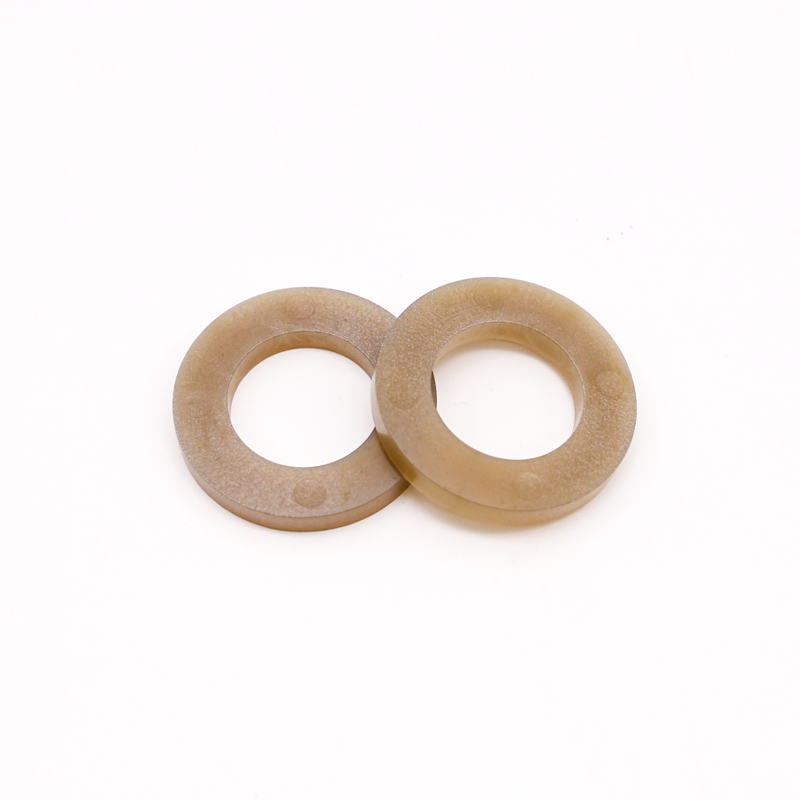
Causes of bubbles in PSU processing
1. Raw material problem
PPSU processing requires the use of butylene terephthalate (PBT) and isooctyl terephthalate (PIS) two monomers, if one of the monomers quality is not good or the proportion is not correct, it may lead to bubbles in PPSU processing.
2. Processing problems
During PPSU processing, high temperature and high pressure processing is required. Improper setting of processing parameters or equipment failure may also cause bubbles in PPSU.
3. Storage problems
PPSU materials may be affected by factors such as temperature and humidity during storage, and may also cause bubbles to appear in PPSU if the storage conditions are not proper.
About Us Product Infor Application Service Human Resources Contact us
¡ª¡ª¡ª¡ª ¡ª¡ª¡ª¡ª ¡ª¡ª¡ª¡ª ¡ª¡ª¡ª¡ª ¡ª¡ª¡ª¡ª ¡ª¡ª¡ª¡ª ¡ª¡ª¡ª¡ª
Company Profile Hign-Perfomance E?egineering? news Industry Application Technical Q&A Humanistic care Contact information
C?ompany culture E?egineering Plastic Applications Humanities Policy Online message
Enterprise Honor Fluoroplastic Job Recruitment